OUR MISSION
Highlight the similarities
Bridge the differences
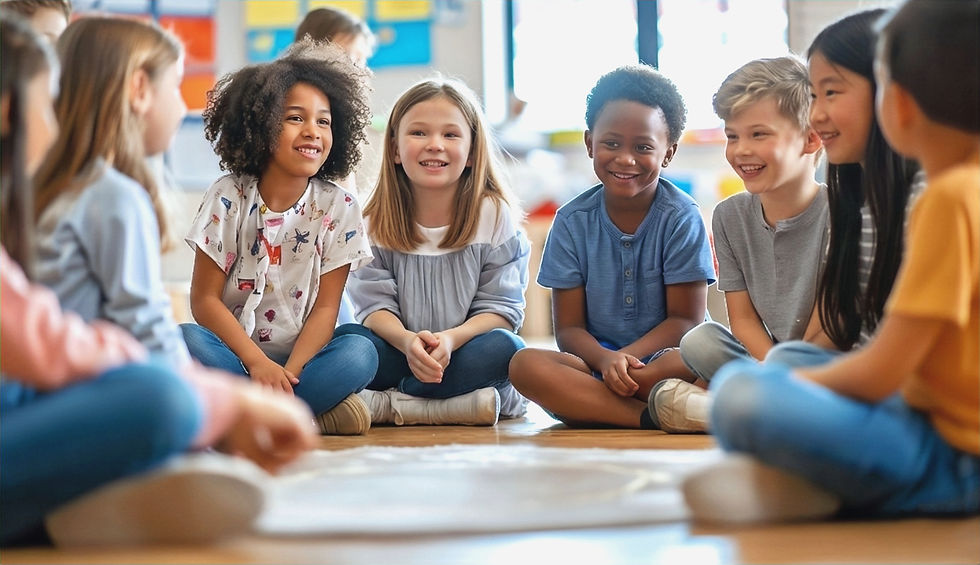
We build common bonds and bridge cultural divides through interactive lessons led by parents, teen-mentors and community members who share their heritage languages and cultures with elementary school students.
OUR VISION
Strengthening individuals & communities
We envision a world where cultural diversity is celebrated and appreciated, children feel proud of their heritage, immigrant families feel a profound sense of purpose and belonging as active architects of their community, and school communities transform passive diversity into active inclusion.
Active inclusion
since 1998
OUR HISTORY
Based on a successful model established in 1998 at Davis Elementary School in Bedford, MA, our program has grown to include volunteers celebrating our community's diversity through Arabic, Armenian, American Sign Language, Farsi, French, German, Hebrew, Hindi, Italian, Japanese, Korean, Mandarin, Portuguese, Russian and Spanish.
6-Year impact
in numbers
Proven Model Analysis:
Davis Elementary School,
Bedford, MA (2020–2026)
483
Student Graduates
gained windows into different worlds & perspectives in their community.
30%
Participation Rate
of total 1st & 2nd grade students actively engaged in the program.
67
Parents Volunteers
introduced their native languages and became integral and active architects of their community.
14
Languages Introduced
Arabic, Armenian, ASL, French, German, Hebrew, Hindi, Italian, Japanese, Korean, Mandarin, Portuguese, Russian and Spanish.
OUR APPROACH
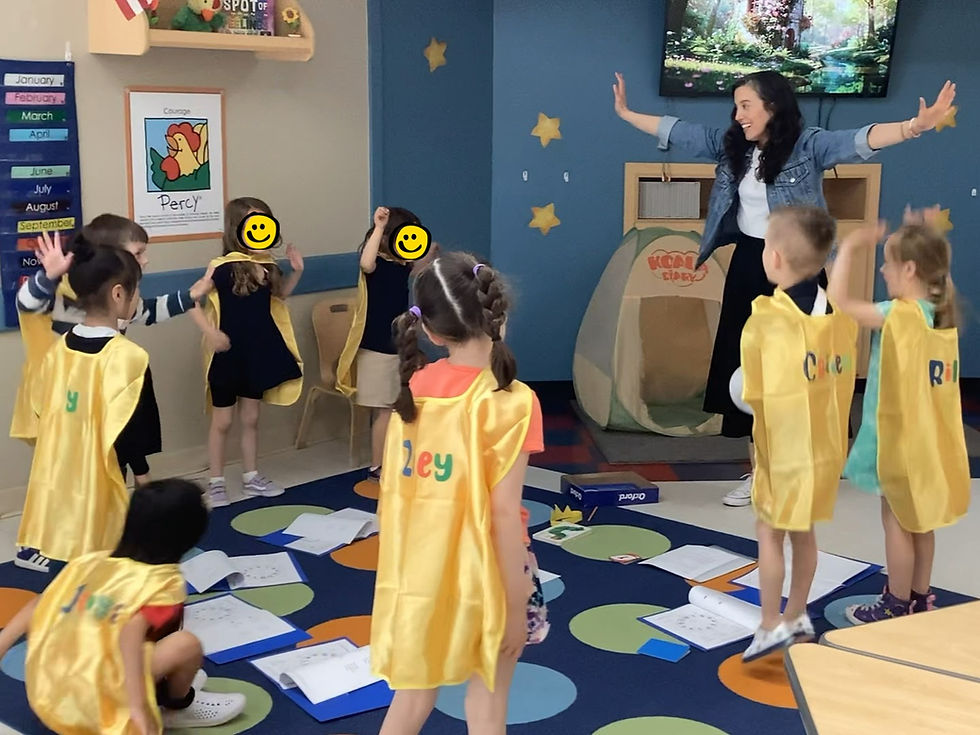
Playful learning
that builds meaningful connections
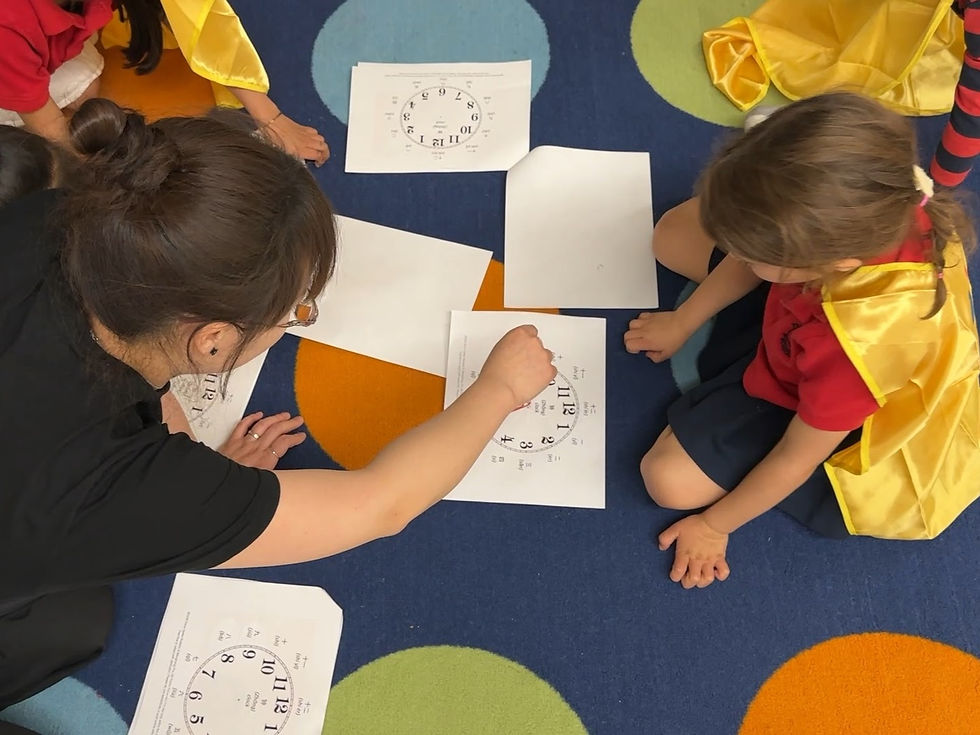
Personal interaction
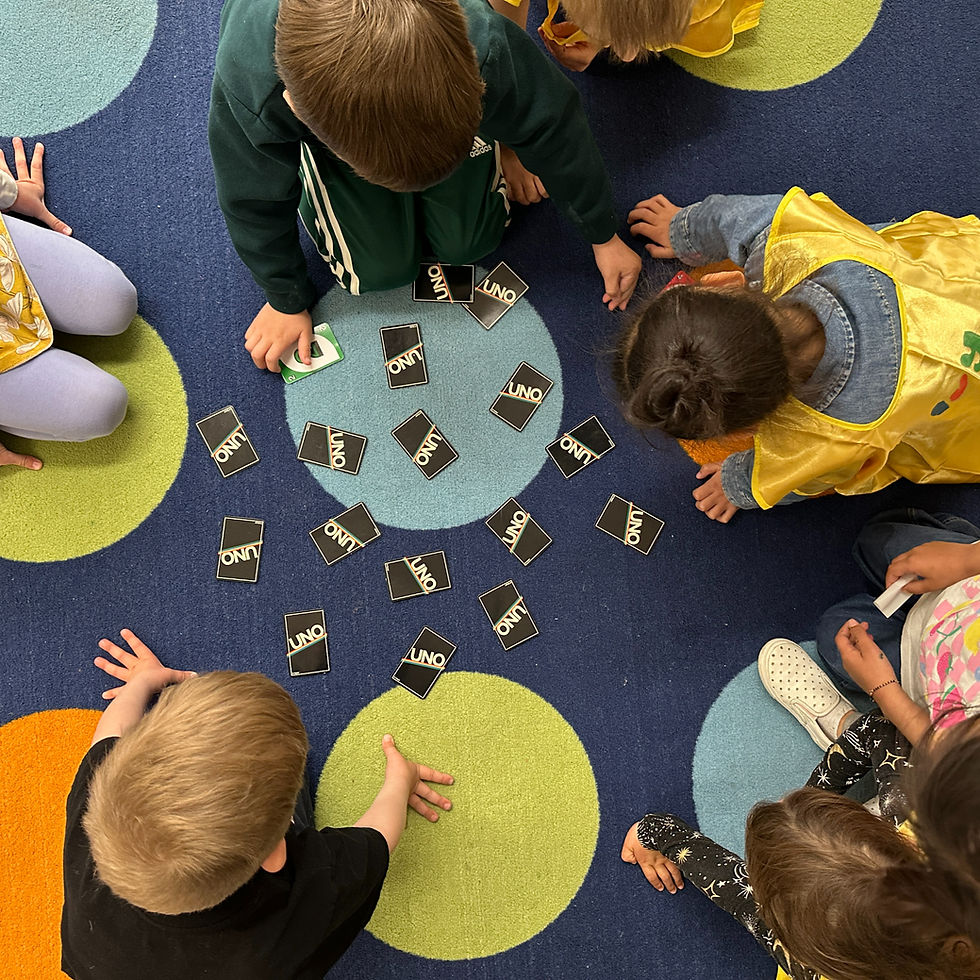
We cultivate genuine connection by maintaining a screen-free environment, ensuring that every lesson focuses on human-to-human engagement.
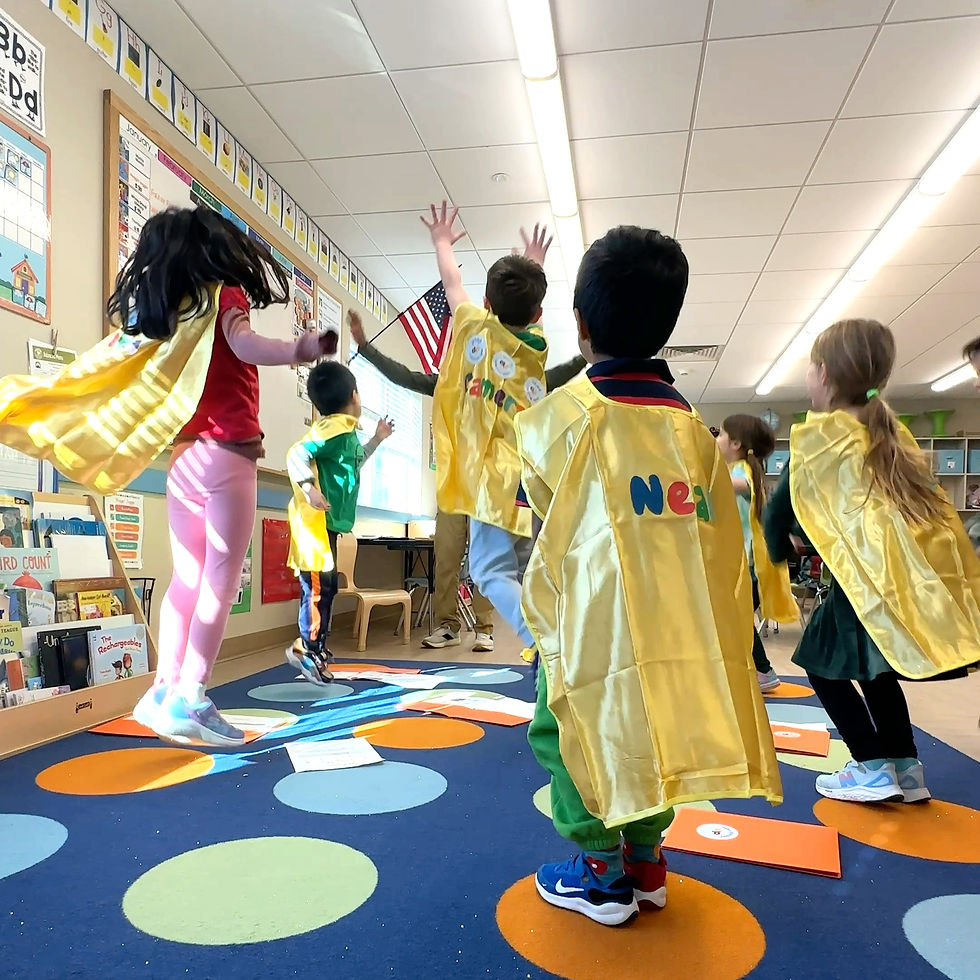
Active engagement
Through game-based learning and hands-on activities, we create memorable experiences that help children build a meaningful body-mind connection to new languages.
Cultural bridging
We use familiar anchors to highlight cultural and linguistic similarities, making it easier for students to bridge the gap between English and other languages.
"
"
By connecting learning to real people and real experiences, we help children develop a deeper understanding of both language and belonging.
PRIMROSE SCHOOL OF WOBURN, MA.
ON COMMUNITY LANGUAGE PROJECT